Home › Services › Shingle Roofing
Composition shingle is the roof on almost every house in Beaumont, Nederland and Groves, and it will be for a long time yet. The choice among shingles matters less here than people think. What matters is the wind rating, the nailing, and the edges, because a shingle roof in Jefferson County is a roof that gets inspected.
Shingle packaging carries a wind rating, commonly 110 or 130 mph for architectural lines, that comes from a laboratory uplift test. Rita's peak gust at the Port Arthur tower was 112 knots, which is about 129 mph. The rating is not a promise the roof survives that; it is a statement about the shingle, under test conditions, installed exactly as the manufacturer's instructions say. Most manufacturers only extend the higher rating when a specific nailing pattern and a starter strip are used, which is why the installation matters more than the label.
Three-tab shingle is still sold and still installed on rental houses in Port Arthur because it is cheap. It is lighter, its rating is lower, and it is the shingle most often found in the yard after a storm. Laminated architectural shingle is the reasonable default for an owner-occupied house here, and it is what the contractors this site works with quote unless asked otherwise.
Nail count, nail placement on the shingle, and nail length into the decking, all set by the TDI-adopted specification and by the manufacturer for the wind rating. Four nails where six were required is the most common reason a roof is looked at twice.
Drip edge attachment and a proper starter course at the eave and rake. Wind gets under a roof at the edge first.
The layer under the shingle and the attachment of the decking under that. Both have to be seen before the shingle covers them, which sets when the inspection is scheduled.
Applies in Beaumont, Port Arthur, Nederland, Port Neches and Groves. In Vidor, Orange, Bridge City and Lumberton there is no windstorm inspection requirement; see those city pages.
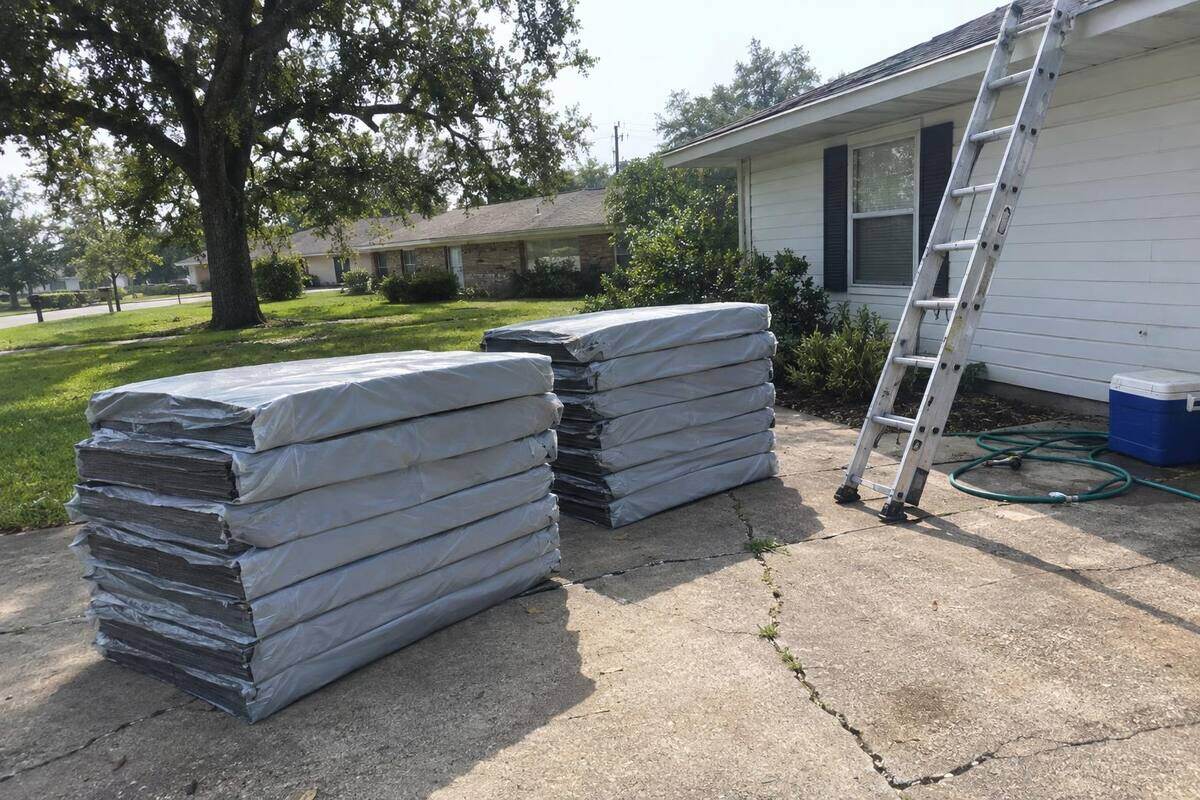
Twenty years is a fair figure for architectural shingle over a vented attic in this climate, and fewer over an attic that runs hot. The storm record shortens it further: a roof installed after Rita is close to the end of its life now regardless of Laura, and a roof from the early 2010s has already been through Harvey's saturation, Imelda's and Laura's wind. Age here is measured in storms as much as years. The inspection page is for finding out where a particular roof stands.
The installation is what the inspector checks and what fails in wind, not the brand. Ask which lines the contractor is certified to install, because the manufacturer's extended warranty usually depends on that certification.
It is the higher common rating and a sensible choice, provided it is installed to the pattern the rating requires and to the windstorm specification. The number on the wrapper is not the roof.
Lighter granule colors reflect more heat, and some lines carry a reflective rating. Over a Beaumont attic it is worth asking about, and it costs little or nothing extra.
Get a written scope that names the shingle, the rating, the nailing and the inspection. A local contractor calls back.
Call (409) 248-2181 Request a Free Estimate Beaumont Roofing